Sometimes the thing that gets someone started has absolutely nothing to do with weight loss.
We tend to assume that people come to carnivore because they want to lose weight, improve their health markers, or fit into smaller clothes. And certainly many do. But sometimes the motivation is much simpler than that.
Oona was sitting in a hospital bed after being diagnosed with a rare autoimmune condition called pyoderma gangrenosum, a disease that can cause large, painful wounds that often take nine to twelve months to heal. She lives in Wisconsin, where summer is short, and she had one goal: heal quickly enough to get back into the water and enjoy her summer.
Looking for Answers
Before carnivore, Oona had already tried plenty of dietary approaches. Like many people, she had spent years experimenting with paleo, keto, Whole30, and other versions of healthy eating.
Despite all of that effort, her health continued declining. She developed severe allergic reactions, hives, and rashes. Specialists ran extensive testing but couldn’t identify a cause. Then came the diagnosis of pyoderma gangrenosum, along with the expectation that she could be facing months of wound care and a lifetime of recurrence.
From her hospital bed, she started researching dietary approaches that might help autoimmune conditions. Eventually she came across stories about carnivore and elimination diets. Years earlier she had seen an article about my all-meat diet and thought I sounded completely crazy. This time, however, she was willing to reconsider.
Three Weeks Later
When people hear about carnivore, they usually expect discussions about weight loss, digestion, or cravings. Those things matter, but sometimes the first improvements are completely unexpected.
For Oona, the wounds healed.
Within three weeks, wounds that were expected to take close to a year had closed. Her doctors were shocked. Even more impressive, she has never experienced a recurrence despite years of normal life afterward.
Now, this is one person’s experience, not a guarantee for anyone else. But it reflects something I see regularly: when people remove foods that may be contributing to inflammation and consistently nourish themselves with nutrient-dense foods, the body can sometimes respond in remarkable ways.
The Benefits Kept Coming
The wounds were only the beginning. Soon afterward, Oona’s Mast Cell Activation Syndrome symptoms disappeared. Her IBS improved. Her knee pain improved. Her inflammation decreased. Even her snoring went away.
Perhaps the biggest change was the disappearance of food noise. People who haven’t experienced food obsession often underestimate how exhausting it can be. It’s the constant mental chatter about food, the planning, the bargaining, and the feeling that every day revolves around what you’ll eat next.
Oona described herself as heavily addicted to sugar before carnivore. Today, she works in an office surrounded by candy, cakes, muffins, and snacks without feeling tempted. She can appreciate that something looks good without feeling the need to eat it.
Weight Loss and an Unexpected Lesson
As of our conversation, Oona had lost 97 pounds.
While that’s certainly impressive, I was more interested in the practical improvements she described. She no longer worries about fitting into chairs. She can tie her shoes without getting winded. Everyday life simply feels easier.
One of the most interesting parts of her story involved under-eating. After joining our coaching groups, she realized she fit into what I call the “Oona the Undereater” category. Despite being overweight, she was consistently eating less than her body needed.
Like many longtime dieters, she assumed the solution was always less food. Instead, she slowly increased calories to maintenance, gave her body adequate fuel, and eventually broke through a weight-loss stall. It’s one of those lessons that sounds backward until you’ve seen it happen repeatedly.
Be Willing to Try Something Different
The biggest takeaway from our conversation wasn’t really about weight loss or even autoimmune disease–it was the reminder that there may still be options we haven’t explored.
When symptoms pile up and experts don’t have answers, it’s easy to assume that your current situation is permanent. Often it isn’t. That doesn’t mean carnivore solves every problem, but I’ve seen enough people improve their health in unexpected ways that I never assume someone is out of options.
Sometimes the first step is simply being willing to try something different.
If you’re looking for support, practical troubleshooting, accountability, or a community of people who understand what it’s like to break free from food obsession, that’s exactly what we’ve built at My Zero Carb Life.
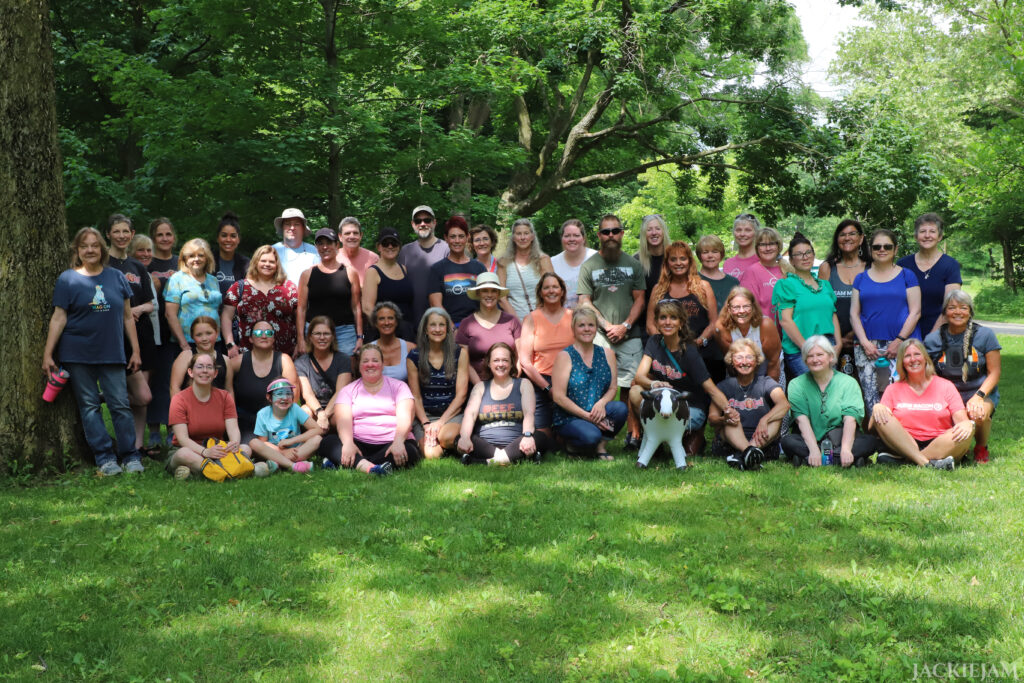
You’ll fit right in.
Join one of my Carnivore coaching groups. Whether you’re working through cravings, weight-loss stalls, autoimmune challenges, or simply learning how to make carnivore work in real life, there are people here who understand and are happy to help.