
What Jeru Taught Us About Keeping It Simple
One of the easiest mistakes to make in the health world is assuming that the answer must be more complicated than the problem.
Someone decides to improve their health, and before long they’re researching fasting protocols, supplements, cold exposure, tracking apps, and twenty-seven different opinions from the internet. Meanwhile, the biggest improvements often come from addressing the most obvious issue first: the food.
That was certainly true for Jeru.
When I first met him in our coaching groups, I saw a healthy-looking young man who seemed completely comfortable in his own skin. Then I learned that he had once weighed nearly 500 pounds and had spent most of his life struggling with obesity and declining health. His story is a good reminder that you never really know what someone has overcome just by looking at them today.
When Poor Health Starts Feeling Normal
Jeru’s weight struggles began early in life and followed him into adulthood. By age twenty-five, he had been diagnosed with Type 2 diabetes. His blood sugar was severely elevated, his energy was poor, and his health was heading in a direction that many people would consider inevitable.
Along with diabetes came a long list of issues that often travel together: high blood pressure, joint pain, back pain, fatigue, brain fog, and painful recurring boils.
What struck me during our conversation was how matter-of-factly he described those years. He wasn’t being dramatic. He simply accepted that this was what life looked like. Unfortunately, that’s something I hear often. When you’ve felt bad for long enough, you stop expecting to feel good.
Many of us spend years adjusting to symptoms that shouldn’t be normal. We work around them, explain them away, and convince ourselves that they’re just part of getting older or carrying extra weight.
Jeru eventually decided he was tired of accepting that explanation.
Low Carb Did a Lot of Heavy Lifting
One thing I appreciated about his story is that he wasn’t trying to oversell carnivore as some magical solution.
When he became serious about improving his health, he started with a low-carb approach. In fact, most of his weight loss happened before he ever went fully carnivore. By focusing on reducing carbohydrates and controlling his blood sugar, he lost an incredible 250 pounds.
That’s important because I think people sometimes assume that if they’re not eating a perfect carnivore diet immediately, nothing good can happen.
That’s simply not true.
For many people, removing the sugar, bread, pasta, soda, and processed junk creates enormous improvements all by itself. Weight begins to come down, blood sugar improves, inflammation decreases, and energy often gets better.
Jeru experienced all of those things. The boils disappeared. His diabetes improved dramatically. His mobility improved. Life became easier.
Why He Decided to Go Further
If low carb was already working, why bother with carnivore?
His answer was refreshingly simple: curiosity. After watching videos from various people in the carnivore community, he decided to experiment and see whether removing the remaining plant foods would make any difference. True to his personality, he didn’t ease into it. He went all-in with a very simple beef, salt, and water approach.
What he discovered wasn’t necessarily more weight loss. The biggest changes were in how he felt.
His digestion improved. His skin improved. Acne that had lingered even during low carb finally cleared up. Chronic pain disappeared. He also discovered that dairy didn’t seem to agree with him, so he removed it and felt even better.
None of those improvements happened because someone told him they would. They happened because he paid attention to his own results.
That’s something I encourage people to do all the time. Learn from other people, certainly. But at the end of the day, your own body provides the most important feedback.
The Sweetener Conversation Nobody Wants to Have
One of the most interesting parts of our discussion centered around artificial sweeteners.
Both Jeru and I spent years hanging on to things like diet soda, sugar-free gum, and sugar-free mints. We convinced ourselves they were harmless because they didn’t contain sugar.
Technically, they helped us reduce carbohydrates. In many ways, they were probably stepping stones that moved us in the right direction, but both of us eventually noticed something similar: the cravings didn’t fully settle down until the sweet taste disappeared.
For Jeru, giving up sweeteners created a sense of control that he hadn’t experienced before. Food became quieter. The constant pull toward eating wasn’t nearly as strong.
I hear versions of that story regularly from people in my groups. Sometimes the final piece isn’t another supplement or another fasting strategy. Sometimes it’s simply letting go of the sweet taste that’s still keeping one foot in the old world.
Not everyone needs to make that change immediately, but it’s often worth considering if cravings continue to be a struggle.
Keep It Simple and Stay Consistent
Toward the end of our conversation, we talked about something that seems to happen to almost every new carnivore: people start looking for advanced strategies before they’ve mastered the basics.
My advice remains pretty boring.
Eat meat that you enjoy.
Eat enough of it.
Stay consistent.
Give your body time to respond.
The basics are not flashy, but they’re remarkably effective. Jeru’s success wasn’t built on a complicated protocol. It came from consistently removing the foods that were hurting him and replacing them with foods that supported his health. Then he stayed the course long enough to see what happened.
That’s a lesson worth remembering.
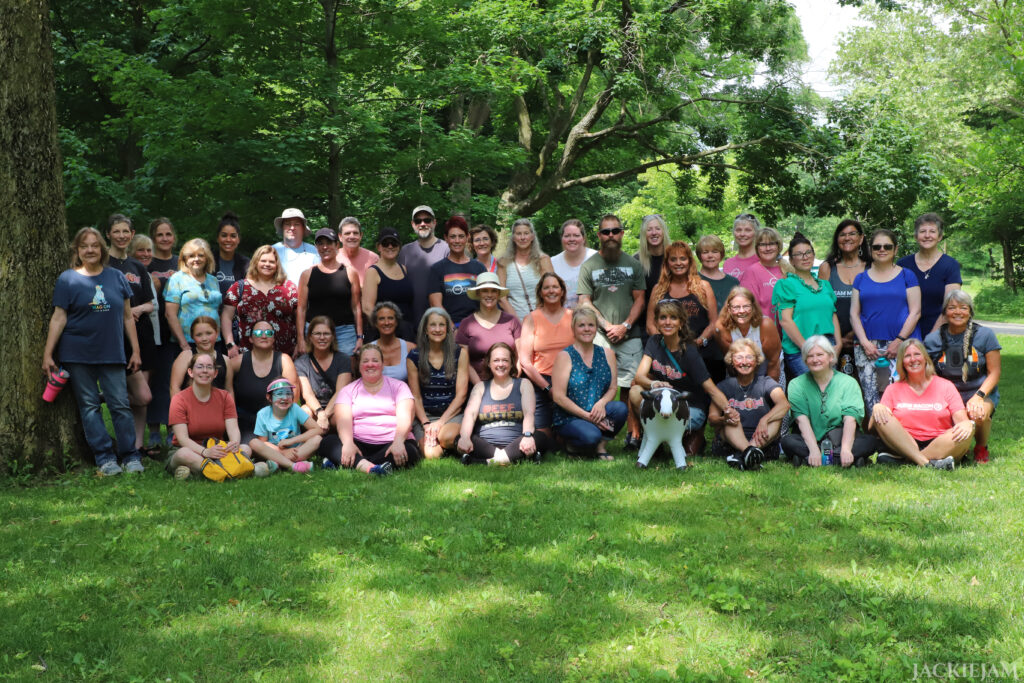

Spend time with people who understand you.
There’s something powerful about spending time with people who understand the challenges, celebrate the victories, and help you troubleshoot the bumps along the way. Sometimes a little accountability and encouragement can make all the difference between starting over again next Monday and finally finding some freedom.




What a great interview! I certainly learned a lot. Thank you so much.
We thought so, too! Thanks for sharing, Cindy!
Dear Kelly: I would like to listen to these podcasts, however, I cannot get them to play? Il listen to podcast frequently , I when I search on MZCL,
nothing comes up? When I click on the icons present, nothing comes up but an article.
Hi Mary–all of Kelly’s episodes are on YouTube. You can find them here: https://www.youtube.com/@myzerocarblife