
Change your relationship with food, change your life.
For some folks, changing what they eat is mostly about figuring out which foods make them feel their best. For others, food has become tangled up with comfort, reward, restriction, guilt, and habit. That was certainly true for Elisha, who told me that she can trace her struggle with food all the way back to childhood. What struck me throughout our conversation was how different her life feels now that food no longer seems to have the same hold on her.
When food becomes more than food
Elisha remembers self-soothing with food when she was only five years old, although she certainly wouldn’t have known to call it that then. By 12, she was struggling with anorexia and severe body dysmorphia. Later came bingeing and purging, followed by years of diets and attempts to control her weight. Through all of it, she developed an enormous attachment to sweetness.
And when I say enormous, I mean it. At one point, Elisha was putting 22 packets of Splenda into a 32-ounce tea—and drinking six or seven of those teas. I had to stop her when she told me that because, girl, 22 packets is serious business.
Looking back, though, Elisha understands that she wasn’t simply someone who really liked sweet things. Food had become a source of comfort and stimulation, and she was continually looking for the next hit without realizing that was what she was doing. That realization would become important when she finally removed sugar and carbohydrates from her diet.
She was definitely not looking for an excuse to eat steak
One of the more surprising parts of Elisha’s story is that she genuinely disliked meat. She grew up on a ranch and remembers struggling as a little girl to chew some of the tougher cuts her family ate. One particularly upsetting experience involved trying to swallow a piece of meat with gristle in it and choking, which left her with a powerful negative association with meat.
So when one of her daughters casually asked whether she had ever considered carnivore, Elisha’s answer was basically, “Nope. I don’t like meat.” But the suggestion stayed with her. Soon afterward, an old friend shared one of my interviews about food and alcohol addiction, and something in that conversation connected with what Elisha had already been thinking and praying about.
Her faith is central to the way she understands what happened next. Elisha believes God was leading her toward carnivore, even though it made very little sense to her at first. On May 26, she decided to eat meat for lunch and see what happened. She has continued ever since, and the woman who once hated meat now happily eats steak on a plate three times a day.
Notice the things you might otherwise forget
From the beginning, Elisha kept a diary on her phone. She wrote down the things that hurt, bothered her, or limited her because she wanted to notice if they changed. I think there is real wisdom in that, because once something stops bothering us, we can be surprisingly quick to forget how much it once affected our lives.
Elisha reports changes in a long list of things she had been dealing with before carnivore, including poor sleep, hot flashes, swelling and intense heat in her hands, chest-wall pain, foot pain, dry skin, tinnitus, vision problems, and other physical complaints. She also says she has lost six inches around her waist since beginning carnivore. Those are her experiences, and she carefully documented them as they happened.
One change I especially appreciated had nothing to do with weight or inches. Before carnivore, her average daily step count could be around 1,500, and when her husband asked her to go for a walk, she honestly didn’t understand the appeal. Why are we walking? Where are we going? What exactly is the point here?
Now she wants to walk. She sometimes aims for 15,000 steps, not because she thinks she needs to punish herself with exercise, but because moving feels good and walking has become time she values. That kind of change can be easy to overlook if we are only watching the scale.
What freedom from food can actually look like
The word Elisha returned to again and again was freedom. For her, that freedom is deeply connected to her Christian faith and her belief that God led her to this way of eating. But I could also hear it in the very ordinary examples she gave me.
Early in her carnivore journey, Elisha got into her car and automatically thought about going to get a soda. She could almost hear the bottle opening and smell the Sprite because the whole experience was so deeply wired into her habits. Then she realized something remarkable: she didn’t actually want it.
That is different from spending all day desperately wanting something and forcing yourself not to have it. The habit was still there, but the hunger for the reward behind the habit was beginning to change.
Elisha and I discovered during this conversation that we have quite a lot in common. We both experienced body dysmorphia when we were young. We both dealt with disordered eating, loved sugar, and spent years with food occupying far more mental space than it deserved.
Now we eat meat, get full, and move on with our lives. There is no prize for thinking about food all day, even if all that thinking is about eating the “right” foods. The point is to nourish yourself well enough that you can go live your life.
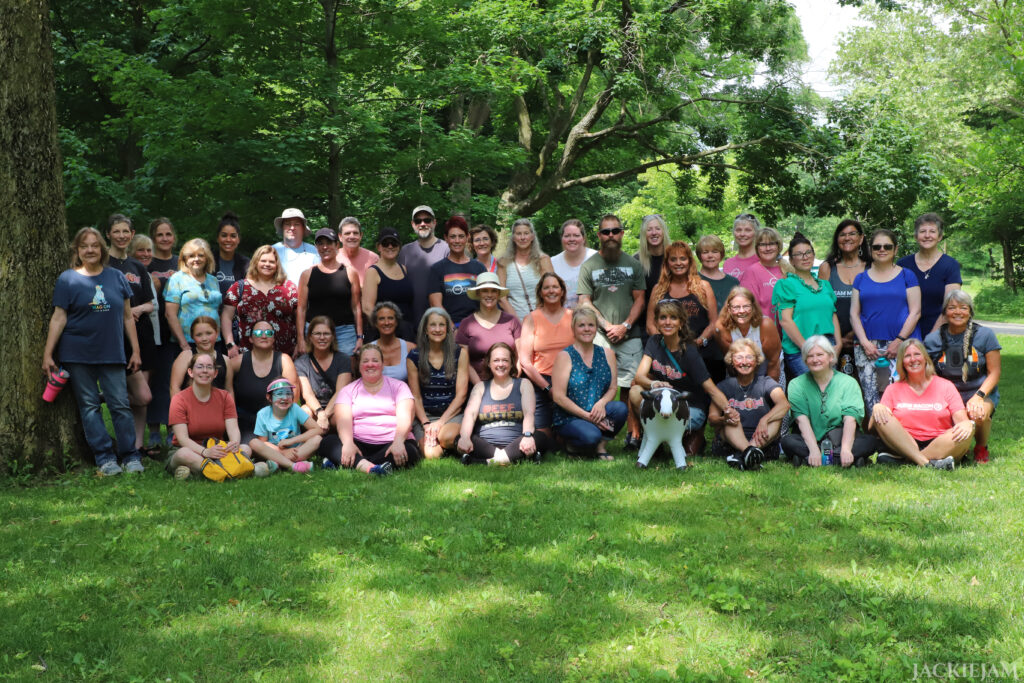

Stop doing carnivore alone.
My Zero Carb Life coaching gives you more than a plan—it gives you a tribe of people who get it. Together, we tackle cravings, troubleshoot real-life challenges, build accountability, and learn from carnivores who’ve already walked this road. If you’re ready to spend less time obsessing over food and more time enjoying the freedom you’re working toward, come join us.