Cravings aren’t always a simple matter of hunger or willpower.
If you’ve ever wondered why you can know exactly what you want to eat, make a perfectly reasonable plan, and then feel like an entirely different person when a craving hits, this conversation with addiction specialist Bitten Jonsson helps explain it. For people struggling with sugar and carbohydrate addiction, Bitten describes several powerful systems working together—and understanding those systems can change the way we approach recovery.
Your “Red Dog” Does Not Care About Your Meal Plan
Bitten has worked in addiction for nearly 40 years, and one of my favorite ways she explains cravings is through what she calls the “red dog.”
That’s her nickname for the primitive, survival-oriented part of the brain. When addiction activates that system, it isn’t calmly reviewing your goals and saying, “Kelly, remember how much better you feel without sugar?”
Nope. It’s basically screaming, “EAT OR YOU DIE!”
This helped me understand why telling someone in the middle of a serious craving to simply “make a better choice” may not be terribly useful. Bitten describes addiction as involving multiple systems at once: the reward system, the primitive or reptilian brain, insulin and the pancreas, and the microbiome.
She also prefers calling what we experience a craving, rather than “food noise.” I understand why. “Food noise” can sound almost cute. A true craving can feel anything but cute.
The goal, then, isn’t to spend the rest of our lives white-knuckling our way through cravings. We want to understand what is driving them and create conditions that help those systems settle down.
Food Matters—But Recovery Is Bigger Than Food
Obviously, what we eat is a huge part of this conversation.
Bitten explains that sugar and flour can wreak havoc on the reward system, while a keto or carnivore diet removes those foods and provides nourishment without continually feeding that cycle.
There we go. Eat the meat.
But one of the most important parts of this interview is that Bitten doesn’t stop there.
She describes people struggling with sugar addiction as sometimes being like “a Ferrari bolted to the garage floor with the gas pedal on full throttle.” They’re wired and tired. Their thoughts may feel scattered. Their energy rises and crashes. They can spend the whole day running around and still wonder, “What did I actually accomplish?”
So Bitten encourages us to look beyond food and support the whole system. That includes sleep, breathing, movement, time outdoors, sunlight, and paying attention to energy levels.
Instead of only writing down what you ate, for example, ask: How was my energy afterward?
Calm the System and Move the Body
We spent quite a bit of time talking about breathing because Bitten believes over-breathing can contribute to a stressed state and increased cravings. She recommends practicing nasal breathing and making the exhale slower than the inhale.
We also discovered that we’re both mouth tapers at night. Mouth taping has been a game changer for me personally, although Bitten points out that people who feel panicky about it can start gradually and practice nasal breathing during the day.
And then there’s movement. I’m a huge believer that every movement counts. You don’t have to sit all day and then punish yourself with an hour at the gym. Walk after a meal. Walk the dog. Use your body for resistance. Sit down in a chair and stand back up again. I call those “butt taps,” because apparently everything needs a name.
Bitten agrees that resistance training is valuable—even though she freely admits she finds going to the gym more boring than walking her dog in the woods. Fair enough!
The point isn’t to create another enormous list of things we’re failing to do perfectly. It’s to recognize that food, sleep, stress, breathing, energy, and movement are connected.
Community Turns Problems Into Solutions
Imagine you have a business dinner tomorrow and you’re terrified you’ll eat something that sends you straight back into cravings. Instead of sitting alone thinking, “I DON’T KNOW WHAT TO DO,” Bitten recommends taking the problem to people who understand recovery.
Ask several experienced people: “If this were your problem, what would you do?”
One person might bring food. Another might eat beforehand. Someone else may have the perfect sentence for explaining their food choices without making dinner weird. Suddenly, you don’t have one impossible problem. You have five possible solutions.
This is exactly why I don’t want beginners isolated in a room with only other beginners. New carnivores need people who can say, “Yep. Been there. Here’s what helped me.” And experienced carnivores benefit from sharing what they’ve learned, too.
As Bitten says, helping someone else actually strengthens our own recovery.
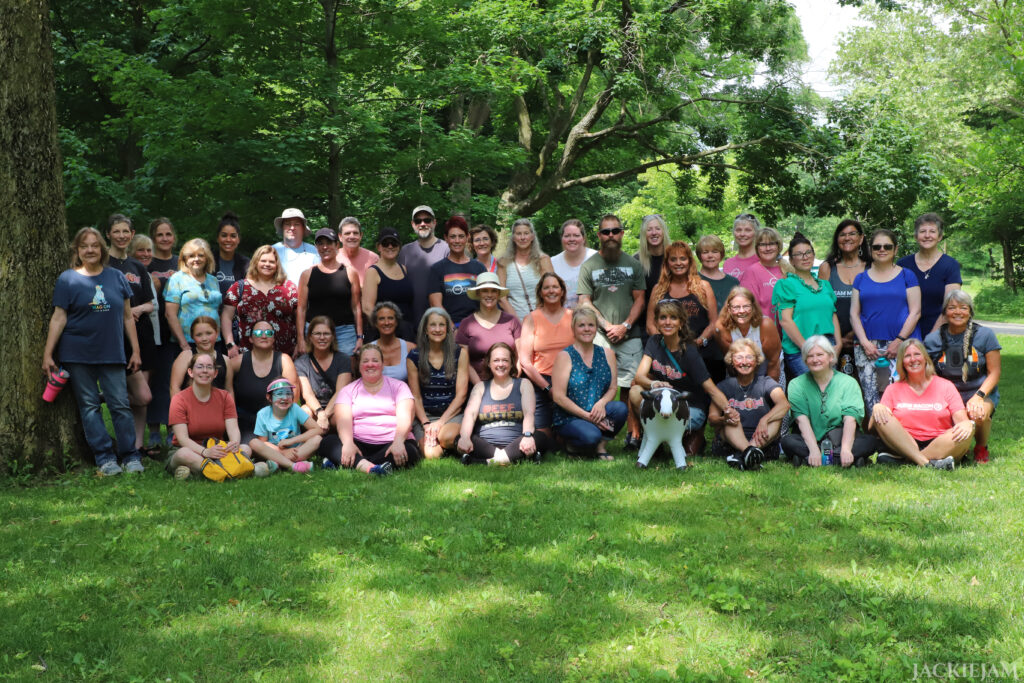

Stop doing carnivore alone.
My Zero Carb Life coaching gives you more than a plan—it gives you a tribe of people who get it. Together, we tackle cravings, troubleshoot real-life challenges, build accountability, and learn from carnivores who’ve already walked this road. If you’re ready to spend less time obsessing over food and more time enjoying the freedom you’re working toward, come join us.




I loved the video. I feel like i have 10 red dogs following me around. My food addiction is very bad, looking forward to trying some of the skills, she shared. I’m 66 years old and so ashamed that I have a hard time controlling what I put in my mouth. I’m a shift worker and work with bakery items all night long. I’m on vacation for 2 weeks so working on reeling in my diet and getting exercise daily. I have to have a knee replacement so one of the only exercises I can do is water walking. So far so good, dealing with strep throat, but managed to get in the pool 2 days in a row for about an hour each time. Trying to cut the coffee, doing bone broth instead. I have to get over the addiction with food.
Go, Betty, go!!! We’re cheering you on. Thanks for watching and commenting.