Finding Freedom from Carnivore Perfectionism
How do you know when a healthy habit has become an unhealthy obsession? It’s a question worth considering, particularly for those of us who came to carnivore with a history of food addiction. In our determination not to return to old behaviors, we can become so focused on following new rules that we overlook whether those rules are actually serving us.
My friend Emily Myers, a mother of seven and cattle farmer from western Kentucky, brought this issue to light during a recent coaching meeting. Emily has been carnivore for more than four years, having initially adopted this way of eating to maintain a 100-pound weight loss and address severe sugar addiction. She credits carnivore with helping her manage her bipolar disorder and resolve her eczema, but even after years of progress, she was struggling to make her daily routine sustainable.
When Higher Numbers Don’t Mean Better Results
Emily had become convinced that maintaining high ketones was essential to her success. She was eating once a day, finishing before 1 p.m., and carefully managing her fat intake to keep her ketones between 3 and 4. She described herself as having spent years doggy-paddling through rough waters before finally finding a buoy in ketone production.
When Emily joined coaching, she expected us to help her hold on to that buoy. Instead, she told me, we were teaching her how to swim. She discovered that she actually felt calmer with considerably lower ketone readings and that pursuing higher numbers had become an unnecessary burden.
I’ve seen similar experiences among our coaching members, particularly those trying to lose weight. Higher ketones don’t guarantee weight loss, and lower ketones don’t necessarily indicate a stall. We need to consider what those numbers mean alongside how we’re feeling and the results we’re experiencing.
Build a Plan for Your Hardest Day
Another meaningful change for Emily was switching to three meals a day. Eating her entire day’s food within a short window often left her uncomfortably full, exhausted, and eventually hungry again. As someone recovering from binge eating, she now finds tremendous peace in knowing that she can enjoy a meal without having to wait until tomorrow to eat again.
We’ve also been discussing something in coaching that I call your floor plan. Too often, we’re trying to paint the Sistine Chapel ceiling every day, with perfect meals, exercise, sleep, and every imaginable healthy habit. But what happens when you’re sitting in the emergency room with your child or dealing with an unexpected change in your schedule?
I’d encourage you to establish commitments based on what you can accomplish on your hardest day. You might not get those 12,000 steps, but you can still nourish yourself and protect your recovery. Everything else can be built upon that foundation.
Finding Enjoyment Outside of Food
I’ve asked my coaching members to consider what they used food for before carnivore. Common answers include comfort, entertainment, relief from boredom, and a little extra energy when they’re exhausted. Removing certain foods from our lives doesn’t remove those needs, so we have to be intentional about finding other ways to meet them.
Emily now spends her children’s sports practices walking and listening to educational content rather than sitting and overeating carnivore foods. She made a wonderful observation about behavior change: if we’re tending a garden, we can’t simply pull out the weeds and leave the soil bare. We need to plant flowers, too.
There Is No Final “After” Picture
Emily joked that she hopes her final after picture will be taken when she’s 110 years old, looking like a raisin. Until then, they’re all during pictures. She’s learning to use her experiences and the information she collects to make adjustments, recognizing that her body and circumstances will continue to change throughout her life.
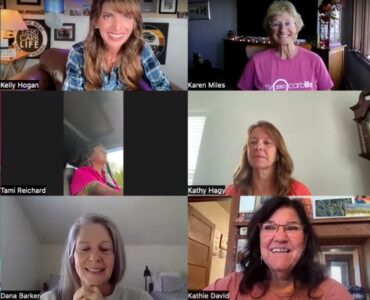
This is one of the reasons I’m so grateful for our My Zero Carb Life coaching community. Having people who understand our struggles, help us recognize patterns, offer accountability, and work through practical problems alongside us can make this way of eating considerably easier. If that’s something you’ve been missing, we’d love to have you join us. After all, we didn’t change our relationship with food so that we could spend the rest of our lives thinking about it.
Tags:

Everybody could use help figuring this out.
I created My Zero Carb Life coaching to make sure you had more than just tools–you’ll have a community, too. We work through the practical questions together, troubleshoot the bumps in the road, and encourage one another as we build lasting habits. You’ll find a community of people who truly understand food addiction, cravings, and the freedom that comes from leaving them behind.