What If Assisted Living Actually Helped People Get Better? My Conversation with Hal Cranmer
When most people think about assisted living, they picture a place where elderly people go when they can no longer live independently. The expectation is usually that health will continue to decline and that the goal is simply to manage symptoms and keep people comfortable. That’s certainly what I assumed for much of my life.
Then I met Hal Cranmer.
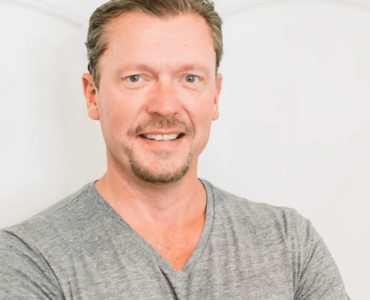
Hal owns assisted living homes in Arizona, and what struck me immediately was that he refuses to accept the idea that decline is always inevitable. Instead of asking how to make people comfortable while they get worse, he started asking whether there might be ways to help them actually improve. That question sent him down a path that eventually led him to ketogenic and carnivore nutrition, exercise, sunlight, and a variety of other lifestyle interventions. Our conversation was fascinating because it challenged many assumptions about aging, chronic disease, and what is truly possible when we stop settling for “normal.”
Looking for Something Better Than Managing Decline
Hal’s story doesn’t begin in healthcare. He was a real estate investor who moved from Minnesota to Arizona after learning about opportunities in assisted living. Once he got involved in the business, however, he quickly noticed something that bothered him. Many residents arrived with obesity, diabetes, dementia, mobility issues, and long lists of medications. The system seemed designed to manage those conditions rather than improve them.
Like many people, Hal initially assumed exercise would be the answer. He hired a trainer to work with residents and even brought in vegetarian nutritionists to improve the food. The problem was that the residents didn’t seem to thrive. Some disliked the meals, some lost weight they didn’t need to lose, and overall he wasn’t seeing the improvements he had hoped for.
Rather than accepting those disappointing results, he started reading. A lot. He immersed himself in books, podcasts, and research, particularly around Alzheimer’s disease and metabolic health. The more he learned, the more he became convinced that nutrition was playing a much bigger role in health than most people realized.
How Keto and Carnivore Entered the Picture
A major turning point came when Hal encountered the work of Dr. Dale Bredesen, whose approach to Alzheimer’s focuses on addressing multiple contributing factors rather than searching for a single pharmaceutical solution. The idea that cognitive decline might be influenced by metabolism, inflammation, sleep, nutrition, and lifestyle resonated deeply with him.
As he continued exploring these ideas, he discovered ketogenic diets and eventually carnivore. Like many people, his first reaction was skepticism. The idea that eating more meat could improve health runs directly against much of what we’ve been taught.
So he decided to test it on himself.
What happened next is a story I’ve heard countless times in this community. He felt better. His health markers improved. His energy improved. Most importantly, his personal experience gave him the confidence to begin exploring how these principles might help the residents in his care.
Implementing those changes wasn’t as dramatic as people might imagine. Most families weren’t interested in a strict carnivore diet for their loved ones, so Hal began with a ketogenic approach that reduced sugar and processed carbohydrates while focusing on nutrient-dense foods. The goal wasn’t to make meals restrictive. The goal was to make them nourishing while still enjoyable.
The surprising part? The residents generally liked the food. In many cases, they thought it tasted better than what they had been eating before. I have to admit, that wasn’t exactly shocking to me. Steak tends to be more popular than breakfast salad.
The Results—and the Bigger Lesson
As the dietary changes took hold, Hal began seeing improvements that got everyone’s attention. Residents reduced diabetes medications. Some lost significant amounts of excess weight. Families reported improvements in energy, engagement, and, in some cases, memory and cognition.
Neither Hal nor I are claiming that carnivore or keto is a cure for dementia. That isn’t the point. The point is that many people appear capable of far more improvement than we’ve been told to expect. That’s a very different conversation from the one most families hear after a diagnosis.
What I appreciated most, though, was that Hal doesn’t focus exclusively on food. His residents spend time outdoors, get sunshine, exercise, maintain social connections, and participate in meaningful activities. During COVID, he worked hard to prevent the isolation that so many elderly people experienced because he believed loneliness and disconnection could be just as damaging as physical illness.
That part of the conversation resonated with me. Again and again, whether we’re talking about weight loss, metabolic health, dementia, food addiction, or simply aging well, we keep coming back to the same fundamentals. Better food. Better sleep. More movement. More sunlight. More connection. Less processed junk.
None of those things are particularly glamorous, but they are incredibly powerful.
A Final Thought
The biggest takeaway from this conversation wasn’t really about assisted living. It was about hope. Not blind optimism or wishful thinking, but the recognition that our bodies are often more resilient than we’ve been led to believe.
One of the reasons I love the My Zero Carb Life community is that we get to witness those stories every day. People come in feeling stuck, discouraged, or convinced they’ve already tried everything. Then they start making consistent changes, they find support, and they begin seeing possibilities where they once saw limitations.
Join us.
If you’re looking for encouragement, accountability, and community, we’d love to have you join us. And if you’re already on the path, keep going. Sometimes the most powerful changes come from doing the simple things consistently—and surrounding yourself with people who remind you that improvement is still possible.