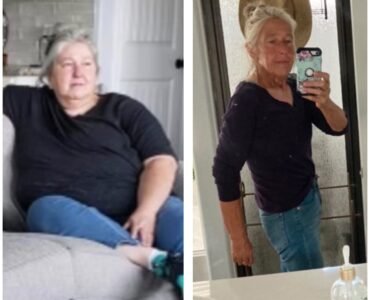
What if the foods we’re told are healthy don’t work best for our bodies?
Sometimes we can make enormous improvements in our health and still have one stubborn problem that refuses to go away. We eliminate sugar, cut our carbohydrates, eat nutritious foods, and wonder why we aren’t feeling as good as we expected. My friend Jennifer experienced exactly that. Her story is a wonderful reminder that the foods we’re told are healthy aren’t necessarily the foods that work best for our individual bodies.
When Low Carb Helped Almost Everything
Jennifer spent years dealing with serious health problems. After an ankle injury in 2011, she developed complex regional pain syndrome (CRPS), which caused debilitating pain. A diving accident in 2017 extended that pain throughout the left side of her body. She also struggled with asthma, recurring infections, arthritis, anxiety, depression, and sleep difficulties.
By age 44, Jennifer was taking approximately 13 medications. She continued hiking and posting beautiful pictures from mountaintops, but those photographs didn’t tell the whole story. Her husband saw her crying on the trails because she hurt so badly, and he saw the days she spent recovering in bed afterward.
In July 2024, Jennifer committed to low-carb eating. She started with 40 grams of carbohydrates per day and eventually reduced that to 20. Within weeks, she noticed that her ankle wasn’t hurting anymore, and she wasn’t reaching for her inhaler several times a day. She also began experiencing improvements in her recurring illnesses, mental clarity, and energy.
But her digestive problems remained.
The Vegetables Were the Missing Piece
Jennifer received an official Crohn’s disease diagnosis in September 2024, following years of digestive struggles. Although low-carb eating had helped her in so many other areas, she continued experiencing significant gut pain and bloating.
She was still eating low-carb vegetables, including broccoli, asparagus, green beans, and collard greens. After all, she’d been told that people with digestive problems should eat more fiber. She was trying to do what she believed was best for her body.
Then something interesting happened.
Jennifer’s husband loves grilling and smoking meat, so their arrangement was that he cooked the meat while she prepared the vegetable sides. Some evenings, Jennifer would come home from work and simply wouldn’t feel like cooking anything else. They’d decide to skip the vegetables and just eat meat.
And on those evenings, she noticed that she didn’t have digestive problems.
It took her a while to recognize the pattern, but eventually she realized that she consistently felt better when she wasn’t eating vegetables. She decided to eliminate them and see what happened. Jennifer reports that her Crohn’s symptoms disappeared, and she has continued feeling well without regularly eating vegetables.
I find this especially interesting because Jennifer was already eating very low carb. She wasn’t eating a bunch of sugar or processed foods. She was eating meat and vegetables, and the vegetables appeared to be the missing piece for HER.
Your Results Matter More Than Someone Else’s Rules
Jennifer told me that she doesn’t usually describe herself as carnivore because she still enjoys seasonings, mustard, and hot sauce. She’s encountered people in carnivore communities who insist that those things disqualify someone from using the label.
Well, she’s carnivore to ME! HA!
I use paprika, and I love Tabasco. I’ve had people tell me that I can’t call myself carnivore if I’m using hot sauce, but I feel fantastic eating the way I do. I’m not interested in giving up something that works perfectly well for my body just to satisfy someone else’s definition.
I’d much rather see someone feeling wonderful and enjoying their life than following a set of dietary rules that aren’t working for them.
Jennifer has lost 147 pounds, but weight loss was never her primary motivation. She wanted relief from the pain and sickness that had dominated her life for so many years. Now she’s hiking, traveling, spending time with her husband, and enjoying activities that once came with enormous physical consequences.
Those are the results that matter most to her.
Remember Why You’re Doing This
Jennifer’s story also illustrates why I encourage people to have a WHY that truly matters to them. She remembers what life was like before she changed her food, and those memories help her make choices that support the life she wants to keep living.
I also encourage you to keep a journal of your own results. Notice when your knees hurt less, when you’re sleeping better, or when you have enough energy to enjoy an afternoon instead of spending it in your recliner. Sometimes improvements happen so gradually that we don’t recognize how much has changed until we look back.

Everybody could use help figuring this out.
I created My Zero Carb Life coaching to make sure you had more than just tools–you’ll have a community, too. We work through the practical questions together, troubleshoot the bumps in the road, and encourage one another as we build lasting habits. You’ll find a community of people who truly understand food addiction, cravings, and the freedom that comes from leaving them behind.