Getting Back on Track: What We Can Learn from the Food Choices We Regret
When we make a food choice that we later regret, we tend to focus on the moment we decided to eat something. We question our willpower, our commitment, and sometimes even our ability to succeed. But I think there’s much more to be learned by examining the circumstances leading up to that decision. Understanding what happened before we took that first bite can help us prepare for similar situations in the future.
Understanding the Domino Effect
Recently, James and I were entertaining some out-of-town friends and took them to a university football game. Knowing there would be a Greek food buffet beforehand, I ate a substantial late breakfast so I wouldn’t need to worry about unfamiliar ingredients. Despite arriving at the game without the slightest bit of hunger, I managed to eat two helpings of marinated mystery chicken.
I suspected the marinade contained oils and seasonings that have caused problems for me in the past. Sure enough, I spent much of that night getting out of bed and walking around, trying to relieve some horrible leg cramps. The following morning, as I walked around on my sore legs, four words came to mind: It wasn’t worth it.
Looking back, though, several things had contributed to my decision. I hadn’t gotten enough sleep, I’d spent the morning running errands and entertaining guests, and a miscommunication with James had left me feeling frustrated. By the time we arrived at the game, I was tired and overstimulated. When Annie couldn’t finish her chicken, my reluctance to waste food gave me just enough justification to take that first bite.
I think of these circumstances as a series of falling dominoes. Had I gotten more sleep, communicated my frustration to James, or taken a few minutes to myself that afternoon, things might have gone differently.
Learning from Our Experiences Without Shame
If Thanksgiving didn’t go quite as you’d hoped, I encourage you to consider what was happening before you sat down to eat. Were you exhausted, anxious, or feeling left out? Perhaps you were looking for comfort or connection, and there might have been another way to meet those needs.
It’s also worth considering the entire experience of eating those foods, including how you felt afterward. Think about your digestion, sleep, energy, mood, and cravings. My mystery chicken tasted wonderful for approximately ten minutes, but would I willingly repeat the entire experience, including the hours of leg cramps?
I encourage you to write down these observations because we tend to forget just how uncomfortable we once felt. The purpose isn’t to make ourselves feel worse about our decisions, but to help ourselves make better ones. Thanksgiving offers us an opportunity to figure out what we’d like to do differently before the next holiday arrives.
A Look at My Metabolic Health After 17 Years of Carnivore
While attending Hack Your Health in Tampa recently, I had my first metabolic testing done. My results indicated an average metabolic rate, with estimated daily energy expenditures of 1,947 calories on non-workout days and 2,216 on workout days. Those estimates were remarkably close to the results from our My Zero Carb Life TDEE calculator, which I use with my coaching members.
The testing also indicated that I was utilizing approximately 90% fat and 10% carbohydrates for fuel, and I received a score of 91% for fat-burning efficiency. Perhaps most interesting to me was that my metabolic flexibility was rated as high, despite having eaten a carnivore diet for 17 years. I’ve heard concerns that longtime carnivores might lose their metabolic flexibility, so I was particularly curious about that result. I walk through my results in more detail in this week’s video.
Getting Back on Track Starts Today
When you get lost on a road trip, you’re back on track as soon as you’ve turned around and started traveling toward your destination. You don’t have to drive another hundred miles before that becomes true. The same applies to your eating habits, and there’s no reason to wait until January to make a change.
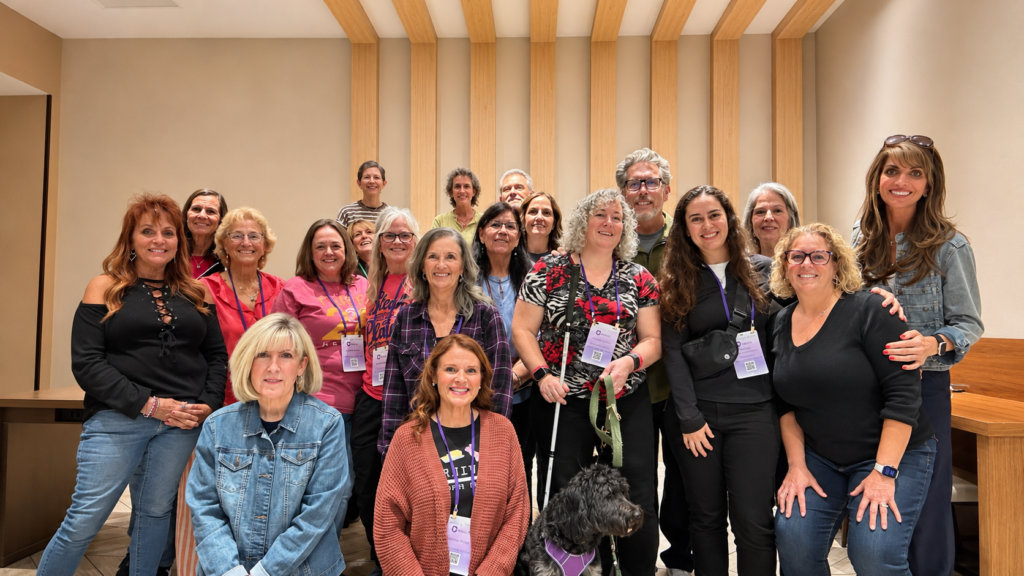
When I started carnivore in 2009, I benefited tremendously from having a community of people who understood my struggles. That’s what I hope to provide through our My Zero Carb Life coaching groups: a place to ask questions, work through practical problems, find accountability, and help one another experience greater freedom from food obsession. If you could use some company and support along the way, we’d love to have you join us.

Let’s troubleshoot together.
My Zero Carb Life coaching gives you more than a plan—it gives you a tribe of people who get it. Together, we tackle cravings, troubleshoot real-life challenges, build accountability, and learn from carnivores who’ve already walked this road. If you’re ready to spend less time obsessing over food and more time enjoying the freedom you’re working toward, come join us.