
Julie’s Carnivore Success Story
Every once in a while, I interview someone whose story reminds me exactly why I keep doing this work. Julie was one of those people.
When I met her at Meatstock, she hugged me like we were old friends and immediately started telling me pieces of her story. I already knew her from my groups, but I didn’t realize how much she had been through—or how deeply carnivore had changed not just her health, but her entire life. By the end of our conversation, I knew I wanted her to come on the channel and tell the whole story because I think a lot of people are going to recognize themselves in parts of it.
This wasn’t just a conversation about losing weight or eating steak. It was about addiction, depression, loneliness, recovery, faith, chronic pain, and finally finding peace around food after decades of struggling.
And honestly? I think a lot more people are dealing with food addiction than we realize.
Addiction Doesn’t Always Look the Way People Expect
Julie’s story started long before carnivore. She lost her mother when she was twelve years old, and like many people who experience trauma early in life, she learned to cope with pain through comfort. For her, that comfort became food. Candy. Fast food. Sugar. Constant snacking.
Later, alcohol entered the picture too.
One thing I appreciated about Julie was how honest she was about the similarities between alcohol addiction and food addiction. A lot of people understand alcoholism because society recognizes it as a real struggle. But when someone says they feel addicted to sugar or processed food, people still tend to roll their eyes a little.
Julie described it perfectly, though. The bargaining. The promises to moderate. The “I’ve got this under control now” conversations you have with yourself right before things spiral again. I think many people listening will understand exactly what she meant.
She eventually got sober after becoming pregnant with her daughter, but the food issues remained. In fact, one of her therapists noticed her dependence on sugar back in the 1990s and suggested that she might be dealing with another form of addiction entirely. At the time, that idea sounded a little ridiculous to her. Now? Not so much.
Keto Helped…Until It Didn’t
Like many people in this community, Julie eventually found keto before finding carnivore. And to be fair, keto did help her. She lost weight, got off antidepressants, and some of her metabolic issues improved.
But eventually the old patterns started creeping back in. The carbs were technically “keto-friendly,” but they were still triggering the same obsessive behaviors. She found herself overeating foods that fit within keto rules but still kept her mentally stuck in the cycle.
I hear this story constantly.
Some people truly can moderate keto foods just fine. Others absolutely cannot. And the difficult part is that both groups often assume everyone else should function exactly the same way they do.
Julie realized she simply felt better with complete simplicity. Fewer cravings. Less food noise. Less inflammation. More peace.
The Loneliness of Trying to Heal
One of the things we talked about a lot was how isolating this lifestyle can feel at first.
Julie explained that she used to go out with her husband and friends after already eating dinner at home because eating earlier worked better for her physically and mentally. So she’d sit there with coffee or water while everyone else ate. And if you’ve ever done that, you already know what comes next:
“But where do you get fiber?”
“You don’t eat vegetables?”
“That can’t be healthy.”
“Surely you cheat sometimes?”
At some point, most carnivores realize they can either spend every social event defending themselves or they can simply stop needing everyone’s approval.
I laughed when Julie described herself as having already committed “social suicide” with carnivore before trying to move her meals earlier in the day. I understood exactly what she meant. But what she eventually found was that most of the awkwardness existed in her own head. People adjusted, and life went on. The world kept spinning even though she skipped the bread basket.
This Was Never Really About the Weight
Julie has lost a tremendous amount of weight. She went from nearly 200 pounds to around 135 and dropped multiple clothing sizes along the way.
But what struck me most was how little she focused on the number itself. Instead, she kept returning to the deeper changes:
- Her depression lifted
- Her anxiety improved
- She no longer needed psychiatric medications
- Her arthritis symptoms improved
- Her sleep became restorative again
- Her relationship with food became calmer
That’s the part people outside this community often miss. Yes, body composition changes matter. Of course they do. But many of us stay with this way of eating because of what happens internally: reduced inflammation, mental clarity, stable moods, and freedom from constant obsession about food.
Once you experience that, it becomes very hard to go backward willingly.
Community Changes Everything
One of my favorite parts of Julie’s story involved something she almost dismissed entirely.
She had started quietly sharing carnivore information online. Not in an aggressive or preachy way—just posting resources and sharing what was helping her. Eventually she moved all of that content to a separate account because she felt like she was annoying people in her personal life.
And then months later, a woman from her hometown reached out. That woman and her husband had started carnivore after seeing Julie’s posts. Together, they had lost over 200 pounds.
Julie was emotional telling that story. I understood why. Sometimes we have no idea who’s watching quietly from the sidelines feeling desperate for hope. We think we’re bothering people when in reality someone out there is praying for exactly the information we’re sharing.
That doesn’t mean we need to become internet evangelists about steak. But it does remind me that honesty matters. Sharing honestly matters! People need examples of what healing can look like.
Healing Isn’t Always Linear
One thing I appreciated about Julie’s story was that she never tried to make herself sound perfect.
She still has to stay mindful with dairy because it can trigger overeating and weight gain for her. She still structures her eating carefully because she knows herself well enough to recognize what works and what doesn’t. She still leans heavily on recovery principles and community support.
I think sometimes people assume “healed” means effortless. But often healing simply means you finally understand yourself well enough to stop fighting reality. You stop trying to force moderation where moderation clearly doesn’t work.
Why Stories Like Julie’s Matter
I’ll always care about the science. I love the research. I love seeing metabolic markers improve and inflammation decrease and medications disappear.
But stories are what people remember.
People remember hearing another human being describe what it felt like to finally sleep peacefully again after years of depression. They remember someone admitting they used food to numb loneliness. They remember hearing that healing is possible even after decades of struggling.
That’s why conversations like this matter.
Not everyone needs to copy Julie exactly. But someone listening right now may finally realize they’re not crazy for feeling addicted to food… and they’re not alone either.
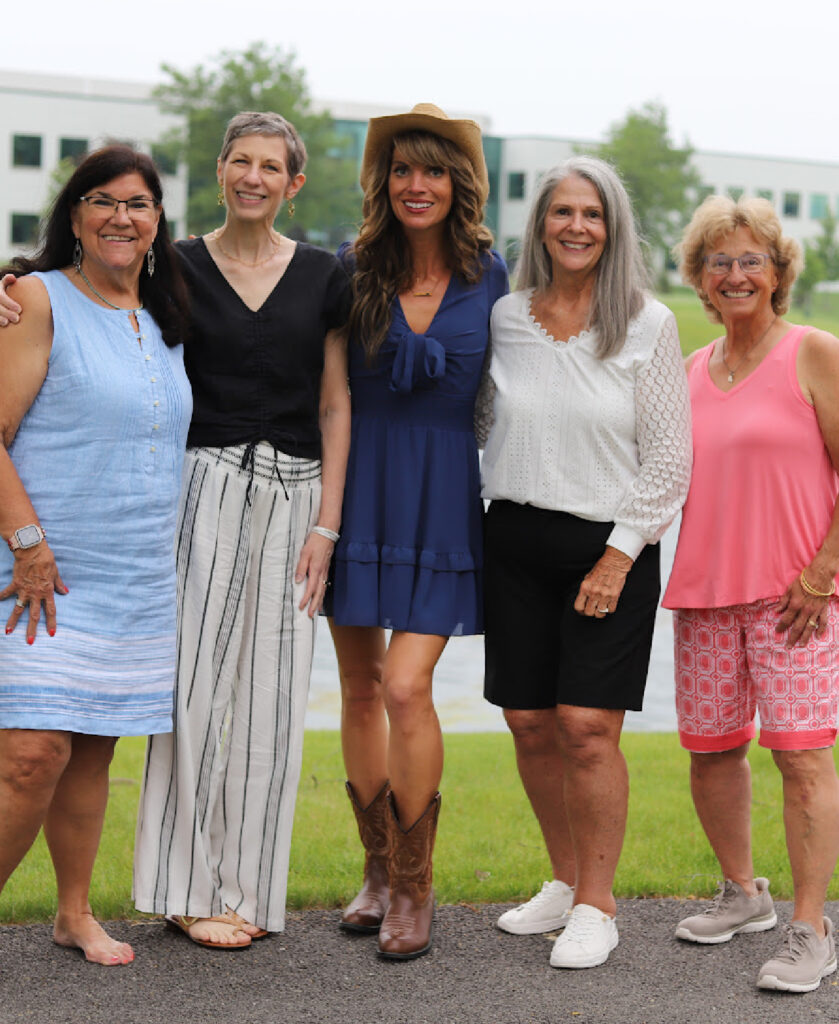
A community that’s never concerned about perfection.
You don’t have to figure all of this out alone, and you certainly don’t have to stay trapped in constant food obsession forever.

I woukd live to try carnivore but can’t tolerate red meat. Only chicken and fish. What can I do?
The interview with Julie was so inspiring! God lead me to carnivore 12/30/25. I am in a rough spot and needed to hear Jesus as part of this conversation. I too am experiencing the loneliness that Julie spoke of and would to connect in her , or your, community.
Such a great interview! I love how Julie explained her experience. Her list of things that she has healed is absolutely inspiring. ❤️
I can relate so much to Julie! How can I find her on social media?
Julie’s story is SO like mine – I cried. The sheer exhaustion of this lifelong addiction has worn me down – and I’m 73! HOWEVER, I’ve been Carnivore for around 2years now, and love this way of eating 👍
How do we follow Julie?
Thank You, Elizabeth
I would love to connect with Julie, her story mirrors mine is so many ways. She’s so inspiring and I have been slowly connecting with fellow carnivores…does she have a website or her own pod cast….thanks.
Love this story I could relate to a lot of what she said.